There is a lot I don’t say when it comes to my, for lack of a better word – and I really wish there were a better word – faith. It’s hardest to keep my mouth shut when it comes to our mortality. I wish I could tell friends who are closer to death that I know they will be okay, even when they are no longer they. That this life is a temporary experience, and maybe not as terribly serious as we make it out to be. That shaking off our physical existence allows us to reunite with the – whatever you want to call it – universal consciousness, the One, the eternal; like the wave returning to its natural state of ocean-ness.
Not that it’s not okay to be afraid of death, or the prospect of death, or the pain that inevitably accompanies dying, whether brief or drawn out. My sole purpose would be to let them know that it’s going to be okay in the end. In the actual End. That we will be okay in death. That we will become what we already are; that, as Ram Dass’ friend Emmanuel says, death is “perfectly safe.” I would give so much for everyone to believe this, to have faith in this. But I don’t want to push anything that they would reject, and I don’t want them to reject me when I could otherwise be of assistance, and I certainly don’t want to minimize their suffering. I just want to talk about my (gag) faith because if they could believe it, I think it would help.
So many of us (my former self included) interpret faith as the absence of fact, as a kind of fantasy, but it’s more than that. It’s the presence of something that passeth understanding. Many of us who have taken deliberate psychedelic journeys believe or have faith in consciousness beyond material existence. in a way that cannot be debated, defended, or denied. It just is. I didn’t decide to believe that having a body is just one part of existence. I didn’t decide to believe that there are other levels of consciousness. I didn’t choose to believe that there is another, different experience of Being beyond our material death. Honestly, it was so deeply implanted in me that I didn’t even realize I believed that until I found out an old (young) friend was in hospice care. I was surprised to find that I didn’t feel bad for her, because I knew as much as I know anything that her death was a transition to something not better, not worse, but other and utterly real and integrated with the universe. I felt bad for those of us who would be denied her unique presence and for the pain she had to go through, but not for her. I know this may not make sense. Which, back to my original point, is why I don’t talk about it.
I have spent most of my life thinking that there was nothing after death, and being okay with that. My psychedelic experiences have overwhelmed that thinking to the point where I cannot pretend that nothingness is a viable option. I cannot think about death without feeling that soupçon of universality and love. I don’t long for death, because I do adore this earth and the vagaries of being in this body, but I don’t fear it. Worse yet, I believe in reincarnation. I don’t know how it works or what brings you to one form or another or if they’re all on earth or if we have “time” (though that word is pretty much meaningless when you’re not mortal) between lives, or any of the details. I just know that when I think about my life as me and what might be different, the words “in my next life” take shape, and I’m not joking. I DO NOT WANT TO BELIEVE IN REINCARNATION. I don’t like a lot of the judgment and binary thinking in the religions that believe in it. I don’t like what it says about who we are as humans now and how we got here, and I REALLY do not want to live through another childhood, even though I understand that many people really enjoyed being kids. If I could skip to adulthood in my next life, that might be okay. Jump right into the work of figuring shit out again, instead of all that mucking about under the heel of others.
I have not said any of this to my friends with terminal illnesses because I know how I have felt when people talk about heaven or say, “they’ve gone to a better place.” Angry and annoyed, that’s how I’ve felt. I even feel that way now, most of the time. I wouldn’t call the “place” I’ve visited better or worse – it’s so different, I can’t compare. It’s like saying creating art is tastier than a mango, or sth. When one of our much loved community members at The Gathering Place died a few weeks ago, there was a lot of that better place going around (lots of Christian volunteers). Maybe it’s true – she lived a hard life, she’d been beaten recently – but I still don’t like it. It seems childish, pacifying, and fake. I don’t want others to react that way to my theory.
And of course, there are other things to worry about. The people left behind – the children and parents and partners and beloved friends. There’s no comfort that alleviates that except, perhaps, that this is what life is; that loving another human being brings pain to one or the other person or both; that we still believe it’s worth it, most of the time. I also cannot pretend to know what anyone is going through as they are gravely ill or dying, and don’t want anyone to think that’s what I’m doing. On top of their fear and pain, there are the practical issues of kids and parents and property and goodbyes. I haven’t had to do any of that yet.
I really wish I could not just tell, but truly convey to everyone who fears death that it’s going to be okay. That we will all really be okay in the end, because the End is always death, and death is okay. Hell, even if I’m wrong – if I could get others to believe as fully as I do, it could ease a lot of suffering. And the good part about my afterlife, unlike others we’ve all heard about, is that you don’t have to pass any test to get there. You don’t have to perform a penance or start hating your own actions or other people. You don’t have to say anyone’s name or renounce anything or even pray. All you have to do is die, and all of us are going to do it.
Maybe someday this will actually help someone.
Until then, I wish you all joy in this existence and love always.
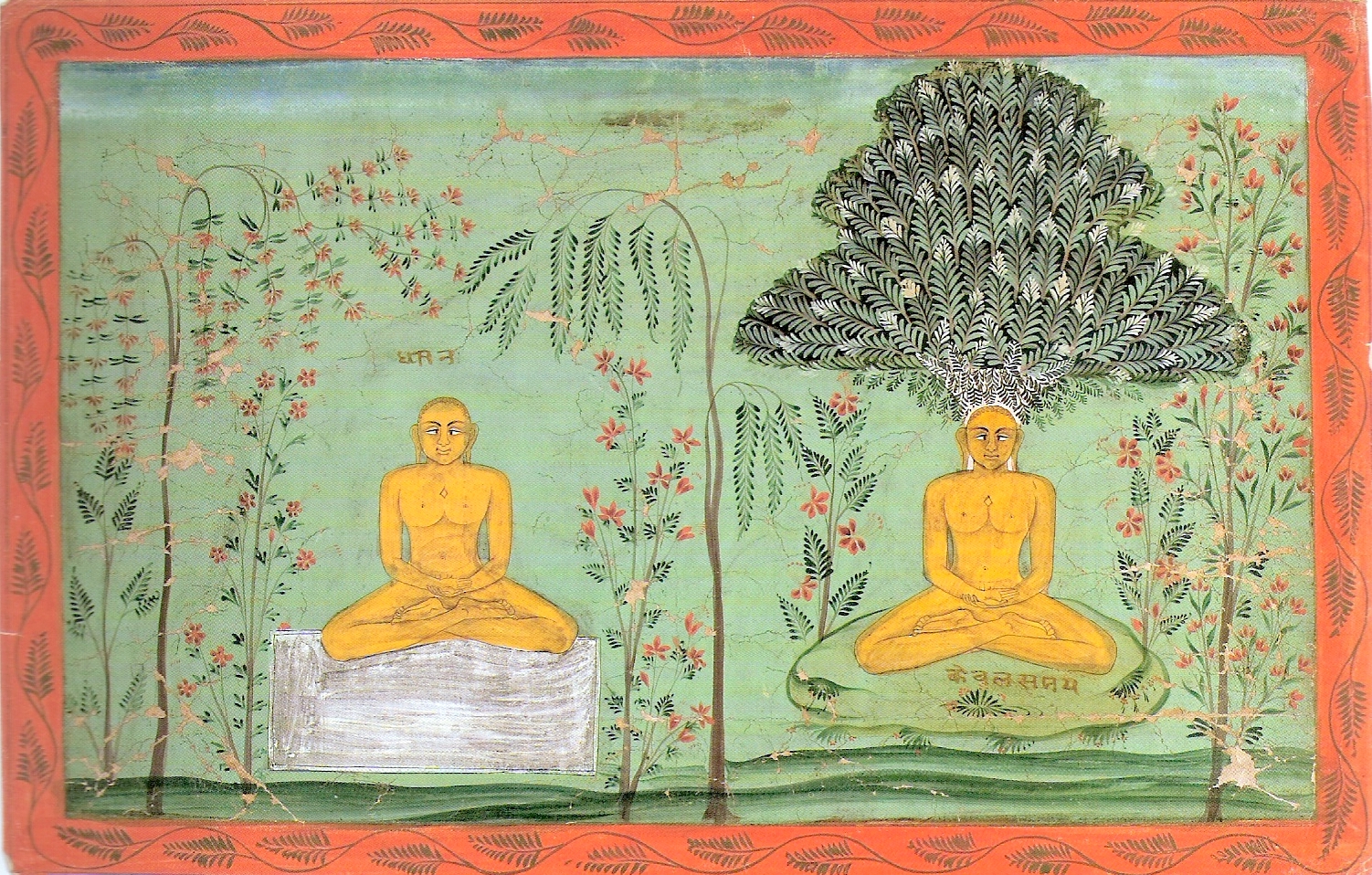 A lot of people come to meditation through drugs. Usually in one of two very different ways. Either they find meditation as a respite and palliative from alcohol and drug addiction and toxic patterns of behavior, or, like the recently deceased Ram Dass, they touch another, entirely different world through drugs – psychedelic drugs – and seek a spiritual life as a way to hold onto, or expand upon, or share that world.
 clawing my way to enlightenment